The global football family is reeling after the sudden, tragic death of Lionel Andrés Messi, widely regarded as the greatest footballer of all time. The Argentine icon, who only months ago was still dazzling fans on the pitch, lost his life when his private jet crashed following a catastrophic midair failure.
For billions of fans across continents, the news struck like a thunderbolt. The man who made football feel like poetry, who united rivals with his genius, and who gave Argentina its long-awaited third World Cup, is gone. The grief is universal, the disbelief overwhelming.
The Fatal Flight
According to initial reports, Messi had been returning home after a series of private events in South America. His private jet, a sleek aircraft often used for both family and professional travel, departed from a regional airport under normal conditions. But just 20 minutes into the flight, tragedy unfolded.
A sudden fuel leak triggered cascading mechanical failures, leaving the aircraft vulnerable and unstable. The pilot attempted to stabilize the plane and even radioed for emergency landing clearance. Eyewitnesses on the ground described the aircraft spiraling violently before crashing in a remote area near Rosario — the city where Messi’s journey began.
Rescue teams rushed to the site. The wreckage was engulfed in flames, twisted metal scattered across fields. Within hours, Argentine authorities confirmed what millions prayed they would never hear: Lionel Messi, at only 38 years of age, was dead.
Immediate Aftermath: A World in Mourning
The reaction was instant and global. In Buenos Aires, thousands gathered at the Obelisco monument, draped in Argentina’s sky-blue flags, singing Messi’s name through tears. In Barcelona, the city where Messi spent over two decades rewriting football’s history books, fans filled the Camp Nou with candles, flowers, and jerseys bearing the iconic number 10.
In Paris, Miami, and cities across Asia and Africa, public vigils began spontaneously. Television channels interrupted programming to air tributes. Social media platforms crashed under the sheer volume of posts mourning the legend.
World leaders offered condolences. Pope Francis, himself an Argentine, called Messi “a divine gift to humanity who lifted souls with his talent.” Cristiano Ronaldo, Messi’s great rival yet eternal peer, wrote: “Today, football lost its magician. We battled for years, but my respect and admiration for Leo were endless. This is a void that can never be filled.”
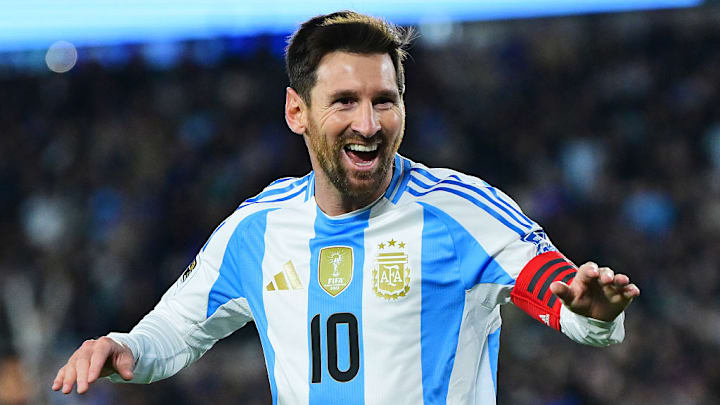
To understand the magnitude of this loss, one must revisit who Messi was — not just a player, but a phenomenon that transcended sport.
Born in 1987 in Rosario, Messi was diagnosed with growth hormone deficiency as a child. What could have ended his dream became the very foundation of his legend. FC Barcelona took a gamble, offering to cover his medical treatment if he joined their youth academy. From there, the boy from Rosario blossomed into the greatest footballer the world had ever seen.