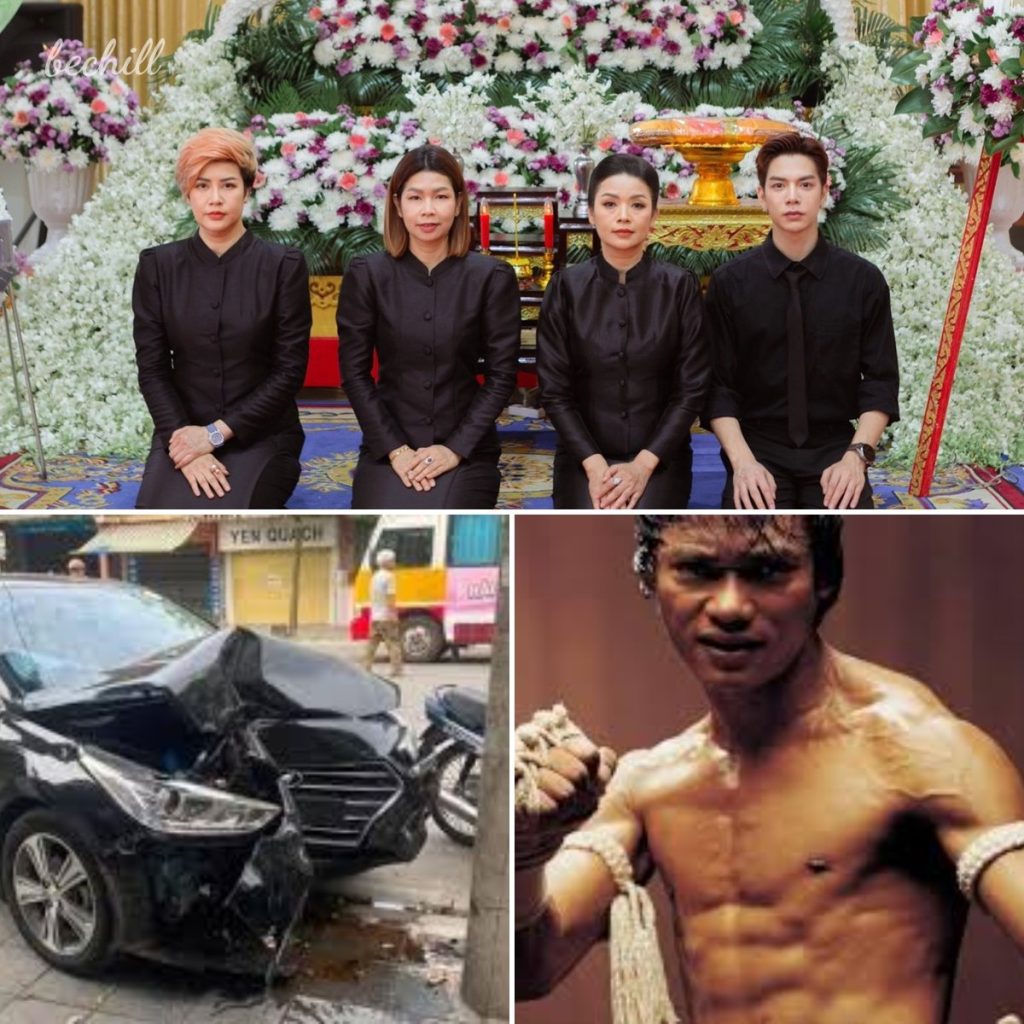
Tragedy in Bangkok: The Loss of Tony Jaa
Just thirty minutes ago, the vibrant city of Bangkok, Thailand, was struck by a heartbreaking tragedy that has left the world reeling. A severe traffic accident claimed several lives, and among the victims was the iconic Thai martial arts star, Tony Jaa. Authorities have confirmed that Jaa, born Tatchakorn Yeerum, tragically passed away due to injuries sustained in the crash. The news has sent shockwaves through Thailand and the global entertainment community, as fans, peers, and admirers mourn the loss of a man whose electrifying performances redefined action cinema. This devastating event not only marks the end of a remarkable career but also serves as a stark reminder of the ongoing road safety crisis in Thailand, where thousands lose their lives each year.
Tony Jaa was a cultural titan, a man who brought the artistry of Thai martial arts to the global stage. Born on February 5, 1976, in Surin Province, Jaa rose from humble beginnings to become an international sensation. His breakthrough role in Ong-Bak: Muay Thai Warrior (2003) captivated audiences with his jaw-dropping athleticism and mastery of Muay Boran, a traditional Thai fighting style. Unlike many action stars, Jaa performed his stunts without wires or CGI, showcasing raw physicality that earned him comparisons to legends like Bruce Lee and Jackie Chan. His films, including The Protector and Ong-Bak 2, grossed over $2.7 billion worldwide, establishing him as a pioneer who popularized Thai action cinema. Jaa’s journey from a rural village to Hollywood was a testament to his relentless drive, inspired by childhood heroes he watched at temple fairs.

The accident occurred in a bustling district of Bangkok, a city known for its chaotic traffic and high accident rates. While details remain scarce, initial reports suggest a multi-vehicle collision, with emergency services responding promptly but unable to save Jaa and others. The scene was described as chaotic, with rescuers working tirelessly amidst the wreckage. Social media platforms, particularly X, have erupted with tributes, one user writing, “Tony Jaa was a once-in-a-generation talent. His loss is a blow to Thailand and the world.” The outpouring reflects Jaa’s profound impact, not just as an entertainer but as a symbol of Thai pride and resilience.
Thailand’s roads are among the deadliest in the world, a fact underscored by this tragedy. In 2024 alone, over 17,000 people died in traffic accidents, with motorcycles accounting for 80% of fatalities. Bangkok, with its dense population and congested streets, is a hotspot for such incidents. Speeding, drunk driving, and lax enforcement of traffic laws contribute to the crisis, as do the widespread use of motorcycles without helmets. While it’s unclear whether Jaa was on a motorcycle or in a car, the accident highlights the urgent need for reform. Advocacy groups have long called for stricter regulations, better infrastructure, and increased public awareness, but progress has been slow. The loss of a figure as beloved as Jaa may finally spur action.
Jaa’s legacy is inseparable from his contributions to Thai culture. His films were not just action-packed spectacles; they were showcases of Muay Boran, Krabi-Krabong, and other traditional fighting styles, blending athleticism with cultural heritage. His commitment to authenticity was legendary—he endured injuries like ligament tears and burns to deliver performances that felt real. Off-screen, Jaa remained grounded, often returning to Surin to support his community. His story resonated with millions: a boy practicing martial arts in his father’s rice paddy who became a global star. “What Bruce Lee and Jackie Chan did was so heroic,” Jaa once said in a 2004 interview. “I wanted to do it too.” And he did, with a ferocity and grace that inspired countless others.
The global response to Jaa’s death has been overwhelming. Hollywood stars, martial artists, and fans have taken to social media to express their grief. One X post from a fellow actor read, “Tony Jaa changed the game for action films. His spirit will live on in every kick, every leap.” In Thailand, makeshift memorials have sprung up, with fans leaving flowers and messages near the accident site. The Thai government is expected to honor Jaa, whose work boosted tourism and cultural pride. His collaborations with stars like Jackie Chan, who cast him in Rush Hour 3, and his influence on films like The Expendables series, cemented his status as a global icon.
This tragedy also casts a spotlight on the broader issue of road safety. Organizations like the World Health Organization have ranked Thailand among the top countries for road fatalities, with 25.4 deaths per 100,000 people. Initiatives like the Thailand Road Safety Master Plan aim to reduce accidents, but enforcement remains a challenge. Jaa’s death could galvanize efforts to improve road safety, much like past tragedies have sparked advocacy. His loss is a call to action—to honor his memory by addressing the systemic issues that claim lives daily.
As the world mourns, Tony Jaa’s legacy endures. His films will continue to thrill and inspire, his story a reminder of what passion and perseverance can achieve. The streets of Bangkok, where he met his tragic end, bear the weight of his absence, but his spirit lives on in every frame of his work. For those seeking to pay tribute, the path forward is clear: celebrate his contributions, advocate for safer roads, and keep his fiery determination alive. Tony Jaa didn’t just fight on screen; he fought for a dream, and that dream will never fade.